دير مار روكز – مراح المير القليعاتيُعتَبَر دير مار روكز – مراح المير أوَّل ديرٍ للرهبانيَّة في قضاء كسروان. بُني في ٢٦ أيلول ١٨٥٤، في عهد الأب العام سابا كرَيدي، بعد أن حصلت الرهبانيّة على رضى البطريرك يوسف راجي الخازن. وكان الانتهاء من بناء الدير سنة ١٨٦٢. سنة ١٩٩٠ رُمّم الدّير بعد القذائف التي دمّرت قسمًا كبيرًا منه، وبنيت بقربه مدرسة لتعليم الأولاد.The Monastery of St Rock - Mrah el Mir QlayaatThe Monastery of St Rock is the first one for the Lebanese Maronite Order in Kesserwan. It was built in 26 september 1854 during the reign of Abbot Saba Kreidy after the approval of Patriarch Youssef Raji el Khazen, and the construction was done in 1862. In 1990 the monastery was renovated after it was damaged by bombshells during the civil war. A shcool was added to educate local children.
بْنيت سنة ١٨٠٤، وجُدّدت سنة ١٨٩٩ وسنة ١٩٩٩. البناء كناية عن عقدِ مْصالبِ ينتهي بحنية. تضمّ الكنيسة ثلاث لوحات: مار الياس ومار جرجس والعائلة المقدّسة من عمل خليل عقل تعود لأوائل القرن العشرين.
The old church of St Elijah - El Mjeidel
The church was built in 1804, and renewed in 1899 and 1999. The structure consists of a crossed vault ending with an apse. The church has three paintings by Khalil Akl from the beginning of the XXth century: St Elijah, St George and the Holy Famil
من أهم أديرة غوسطا، أسّسه المطران جرجس خيرالله أسطفان سنة 1660. وفي 14 أيلول 1698 كرّس كنيسة الدير البطريرك أسطفان الدويهي. في العام 1789 وقّع خلفه البطريرك يوسف أسطفان صك تحويل الدير الى مدرسة اكليريكيّة. وافتُتحت مدرسة عين ورقة سنة 1797-1798 على عهد البطريرك يوسف التيّان على قوانين وبرامج المدرسة المارونيّة في روما. ولم تلبث أن ضاهت جامعات أوروبا، فكانت أول جامعة في الشرق، حتى لقّبها مارون عبود بـ"سوربون الشرق"، حيث كانت تدرّس فيها خمس لغات الى جانب العلوم اللاهوتيّة والفلسفيّة. وقد قيل على سبيل المزاح أنّ "دجاجات عين ورقة تتكلم خمس لغات". خرّجت المدرسة أربعة بطاركة وعشرون مطرانًا، وعنها نشأت المدارس الأخرى التي انتشرت في البلاد، وخرّجت روّاد النهضة العربيّة في القرن التاسع عشر. هي اليوم ميتم بعهدة راهبات القربان الأقدس المارونيّات. The monastery of Ain Warqa Located in Ghosta Keserwan, it was built by Bishop Gerges Khairallah Estefan in 1660. The grand church was dedicated by Patriarch Stephen Doueihi on the 14th of September year 1698. During the pontificate of Patriarch Joseph Estephan, the monastery was transformed into a seminary in 1789. The first scholastic year was in 1797-1798 during the pontificate of Patriarch Joseph Tyan, according to the curriculum of the Maronite Grand Seminary in Rome. The reputation of the school was so great that it competed with the grand seminaries of Europe, and ranked first in the Middle East. The seminary was even called by the great author Maroun Abboud “the Sorbone of the East”. The curriculum included five languages, along with theological, philosophical, and scientific studies.The most important alumnus where four patriarchs and twenty bishops, and a great numer of notable writers and scientists that were the pioneers of the Arabic renaissance during the nineteenth century. The school was also named the mother of all schools in Syria and Lebanon. Today it is used as a foster home in the custody of the Maronite sisters of the Most Blessed Sacrament.
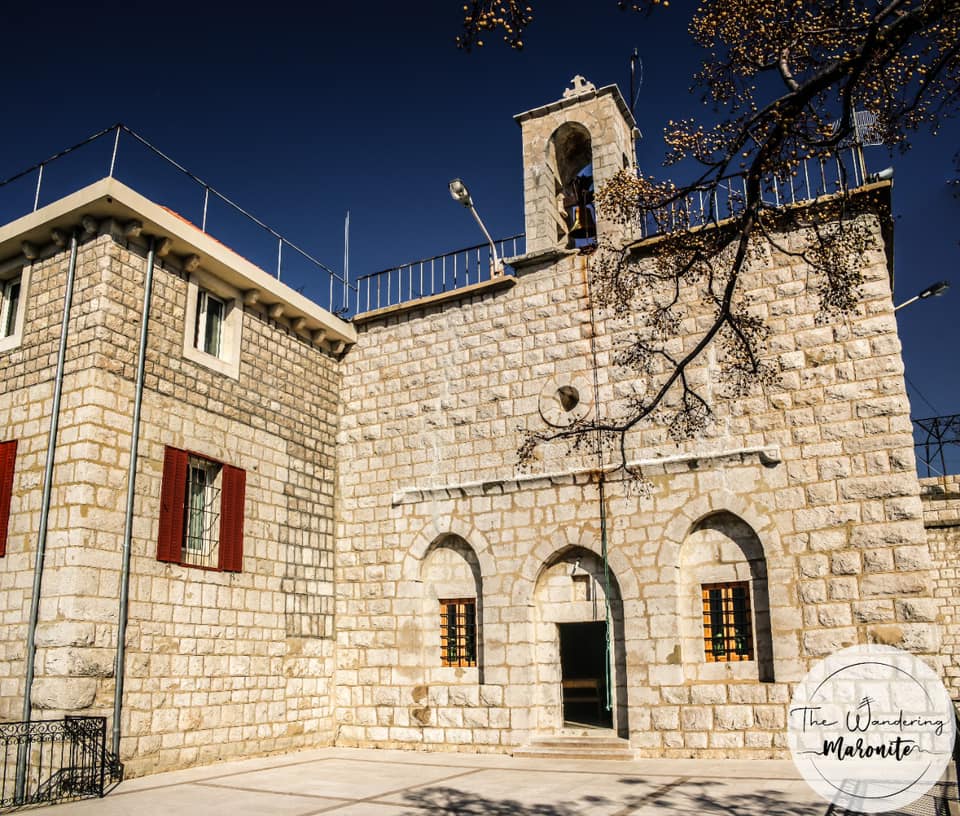
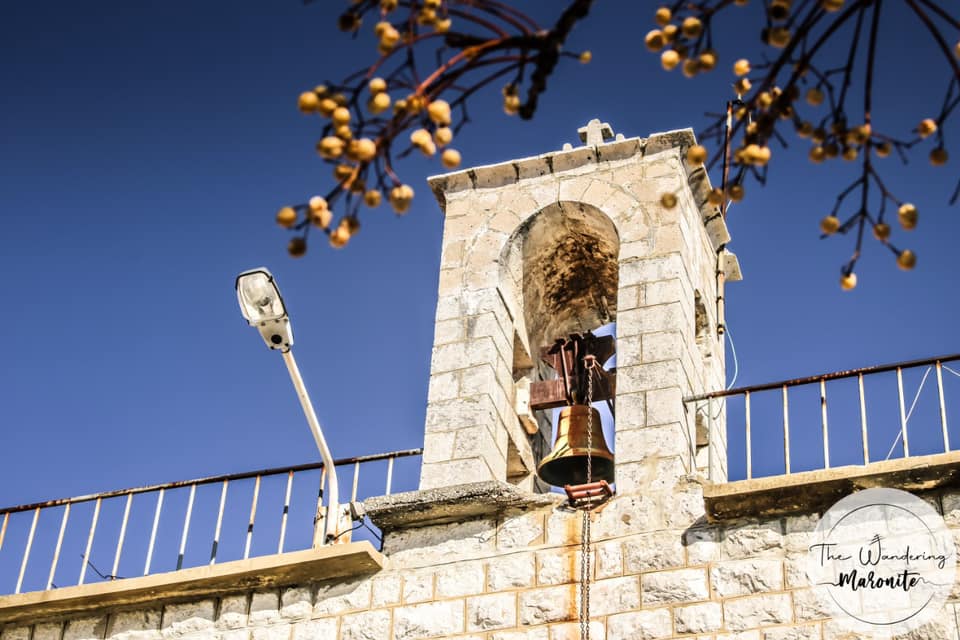
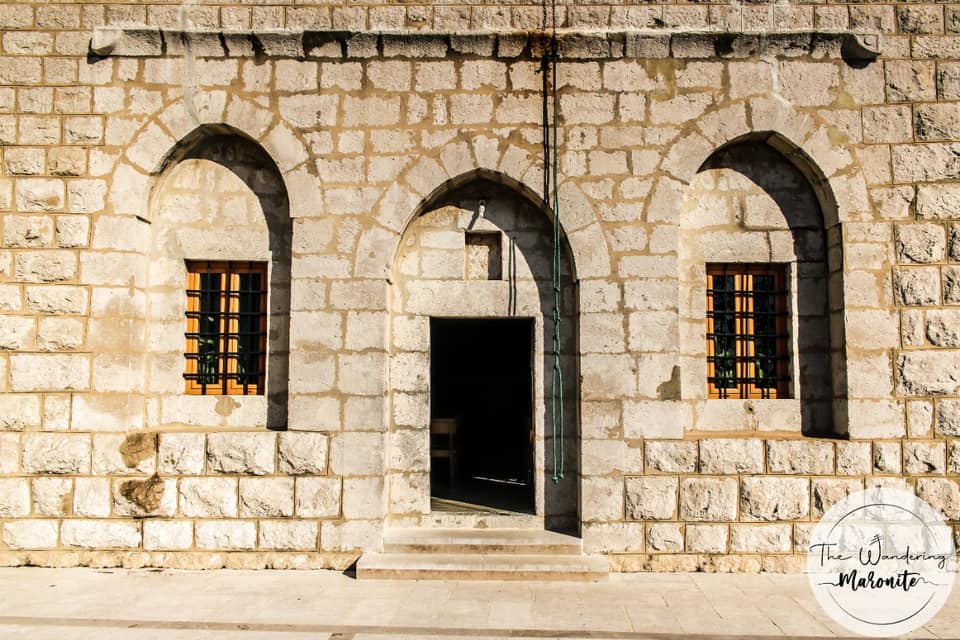
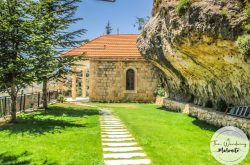
في أعالي العاقورة طريق شقّها الفينيقيّون ورمّمها الرومان، بدليل كتابة لاتينيّة بقرب الكنيسة. ويفيد المؤرّخون أن دوميسيانوس قيصر الامبراطور الرومانيّ مرّ في بلدة العاقورة سنة ٨٢ بعد المسيح ووسّع الطريق شرقيّ البلدة، كما تشير الكتابة: IMP DOMITIANIA, S.V.T. حين نزح الموارنة في القرن السابع إلى البلدة، حوّلوا البناء الرومانيّ بقرب الشير إلى مزار لمار سمعان العاموديّ لتأثرهم بمار سمعان في سوريا. رُمّمت الكنيسة وأخذت شكلها الحاليّ بداية القرن العشرين.
St Simon the Stylite church - Aqoura
In the mountains east of Aqoura, the Phoenicians built a road that was enlarged by the Romans. Empror Domician passed by this road during his visit to Aqoura in 82 AD, and left a latin inscription near the church that says: IMP DOMITIANIA SVT. When the Maronites came to Aqoura in the VIIth century they converted the old roman building to a shrine church dedicated to St Simon the Stylite since they were influenced by the Stylites of Syria. The church took its final shape after restoration works in the early XXth century.



Reviews are disabled, but trackbacks and pingbacks are open.